
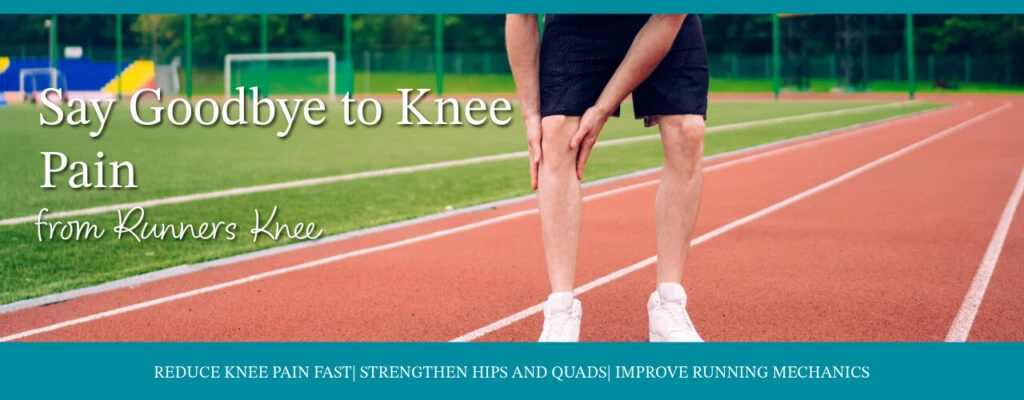
If you’ve ever felt a dull ache around your kneecap after running, squatting, or climbing stairs, you might be dealing with patellofemoral pain syndrome—commonly known as runner’s knee. This condition affects both seasoned athletes and beginners alike and can make everyday movement uncomfortable. Fortunately, runner’s knee treatment guided by physical therapy can reduce pain, improve knee function, and help you return to the activities you enjoy.
At ElmTree Physical Therapy, our physical therapists use evidence-based techniques to help patients address the root causes of runner’s knee, not just the symptoms. Here’s a step-by-step guide to managing this condition and preventing it from coming back.
Step-by-Step Guide For Managing Knee Pain
Step 1: Understand What’s Causing Your Knee Pain
Runner’s knee often develops from repeated stress on the knee joint. This can result from muscle imbalances, poor alignment of the kneecap, overtraining, or improper movement patterns. People with weak hips, tight quads, or poor foot mechanics are more likely to develop this condition.
Symptoms of Runner’s Knee
- A dull ache around or behind the kneecap
- Pain with running, squatting, or prolonged sitting
- Discomfort when walking downstairs
- Mild swelling or grinding sensations
A thorough evaluation from a physical therapist at ElmTree Physical Therapy can help identify the specific factors contributing to your pain.
Step 2: Modify Your Activity, Not Stop Moving
While it’s important to reduce stress on the knee, complete rest is not the solution. Instead, modify your routine:
- Switch to low-impact activities like cycling or swimming
- Shorten your running distance or reduce intensity temporarily
- Avoid hills or uneven terrain until pain improves
Staying active in a controlled way helps maintain circulation and joint mobility, which supports healing.
Step 3: Begin Targeted Strengthening Exercises
Weakness in the hips and thighs can cause poor kneecap tracking, which is a common contributor to runner’s knee. Strengthening these areas improves alignment and reduces pressure on the knee.
Your physical therapist will design a progressive program that may include:
- Hip and glute activation drills
- Quadriceps and hamstring strengthening
- Core stability training to support posture and control
All exercises are introduced based on your pain level and movement tolerance.
Step 4: Address Soft Tissue and Mobility Limitations
Tight muscles can restrict movement and pull the kneecap out of alignment. Releasing tension in the quads, hamstrings, and calves is an important part of runner’s knee treatment.
Your care plan may include:
- Foam rolling for the thigh and calf muscles
- Manual therapy to reduce tightness
- Guided mobility drills to improve range of motion
Stretching alone isn’t enough. Mobility work must be followed by muscle activation to hold the joint in better alignment.
Step 5: Improve Movement Mechanics
One of the most important aspects of treating runner’s knee is learning how to move more efficiently. Your therapist may use video analysis or functional movement tests to assess your gait, squat, and step-down patterns.
Common movement corrections may involve:
- Controlling inward knee collapse during movement
- Adjusting foot strike during running
- Improving posture during daily activities and workouts
Your physical therapist will teach you simple cues and drills to improve form and reduce stress on the joint.
Step 6: Rebuild Endurance and Return to Activity
As your symptoms improve, your therapist will guide you through a return-to-activity plan. This may include:
- Gradual progression of running time and intensity
- Inclusion of cross-training to prevent overload
- Ongoing strengthening to support long-term success
Structured progression is key to preventing flare-ups and building confidence in your knee’s ability to perform.
Runner’s Knee Treatment Is About More Than Just the Knee
Effective runner’s knee treatment doesn’t just focus on the painful area. It considers the full kinetic chain, including your hips, feet, and core. By correcting muscle imbalances, improving joint mobility, and optimizing movement control, physical therapy addresses the root of the problem.
At ElmTree Physical Therapy, we don’t rely on generic stretches or one-size-fits-all programs. We take time to understand your activity level, movement history, and goals to create a personalized plan that works for you.
Take the First Step Toward Pain-Free Movement
If you’re dealing with persistent knee pain, don’t wait for it to go away on its own. Early care makes a big difference in how quickly and effectively you recover. With professional guidance, you can return to running, training, or everyday movement without worrying about reinjury.
Contact ElmTree Physical Therapy today to schedule a personalized evaluation and start your recovery journey with a team that’s focused on lasting results.